-
Viewing the elusive squid
April 28, 2016By Sue Casement/3M storyteller
Viewing the
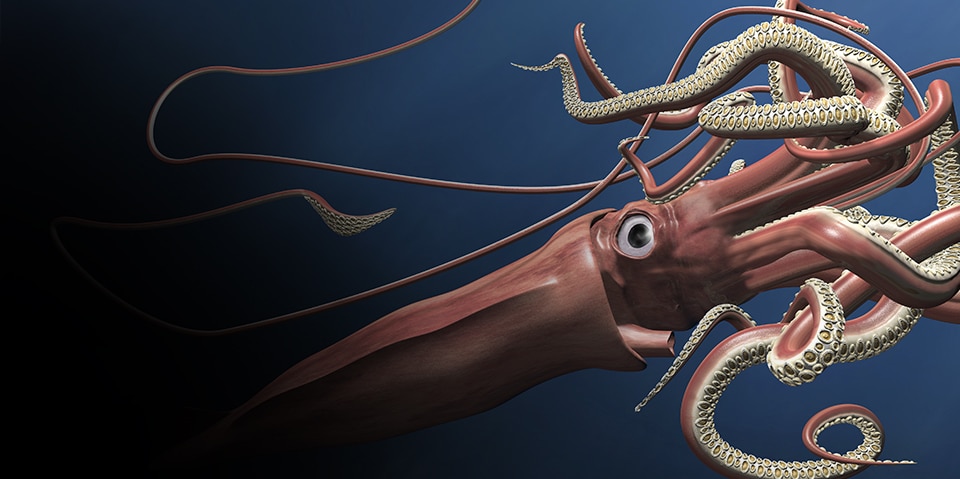
elusive squidThe giant squid is a mysterious creature. Because they live in the darkest depths of the ocean, people have only recently seen live giant squids. Video was captured for the first time by Japanese researchers in 2006. Before that, dead specimens had either been caught in fishing nets or washed up on shore.
The Smithsonian Museum was able to acquire two of those. The larger specimen was found off the coast of Spain in 2005 and was transported to the Smithsonian Sant Ocean Hall in Washington DC for display.Viewing the elusive squid
The giant squid is a mysterious creature. Because they live in the darkest depths of the ocean, people have only recently seen live giant squids. Video was captured for the first time by Japanese researchers in 2006. Before that, dead specimens had either been caught in fishing nets or washed up on shore.
The Smithsonian Museum was able to acquire two of those. The larger specimen was found off the coast of Spain in 2005 and was transported to the Smithsonian Sant Ocean Hall in Washington DC for display.
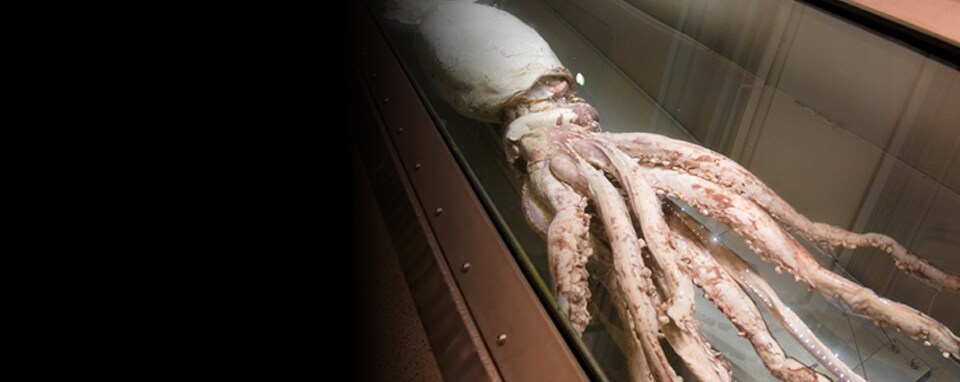
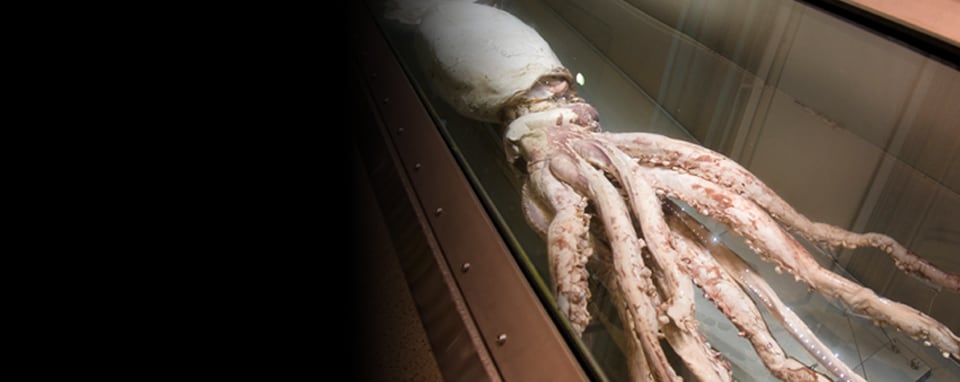
At around the same time, Tom Brodbeck from 3M called on the Smithsonian. The 3M sales rep, along with a 3M technical team, helped them preserve the 330-pound (150 kg) giant squid, suspending it in donated 3M Novec fluid. Novec is a unique fluid with multiple uses, from cleaning electronics to fire protection. And for clearly preserving floating specimens like giant squids.At around the same time, Tom Brodbeck from 3M called on the Smithsonian. The 3M sales rep, along with a 3M technical team, helped them preserve the 330-pound (150 kg) giant squid, suspending it in donated 3M Novec fluid. Novec is a unique fluid with multiple uses, from cleaning electronics to fire protection. And for clearly preserving floating specimens like giant squids.
Smithsonian 3M Novec
