-
Building a better eyeball
March 01, 2016By Kevin Hoffman/3M Storyteller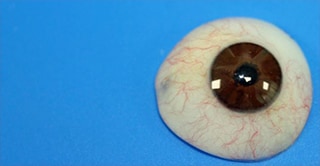
Building a
better eyeballAt a world-renowned ophthalmic centre in London, 3M technology is helping restore the appearance of patients who have lost an eye.
Building a better eyeball
At a world-renowned ophthalmic centre in London, 3M technology is helping restore the appearance of patients who have lost an eye.


Don't blink
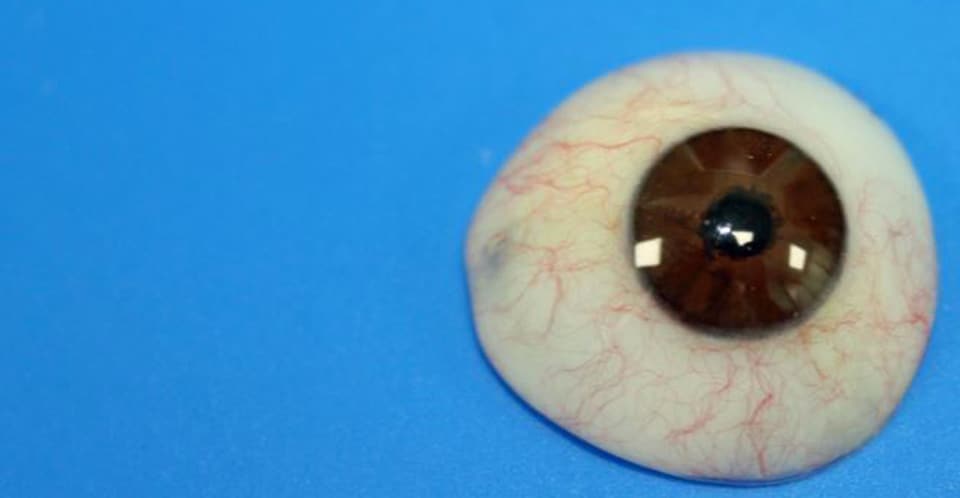
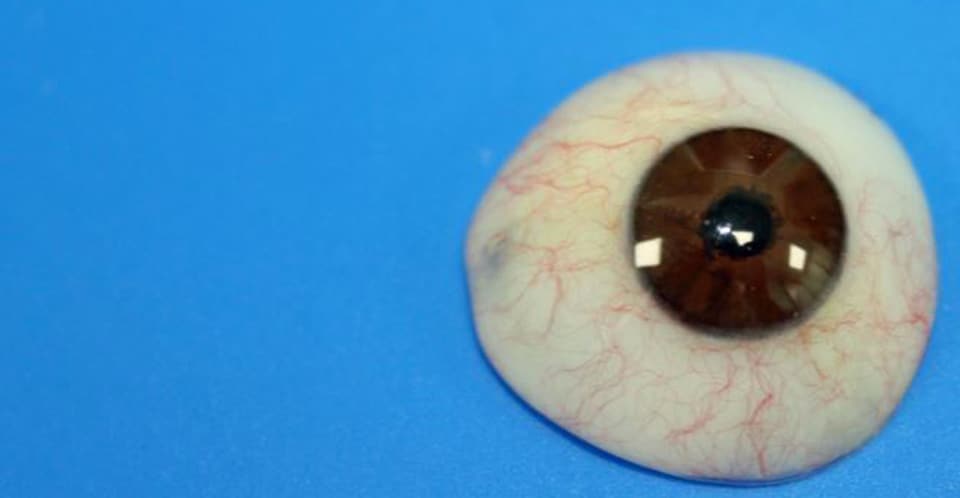
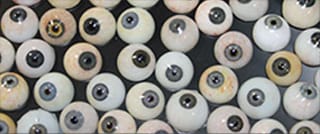
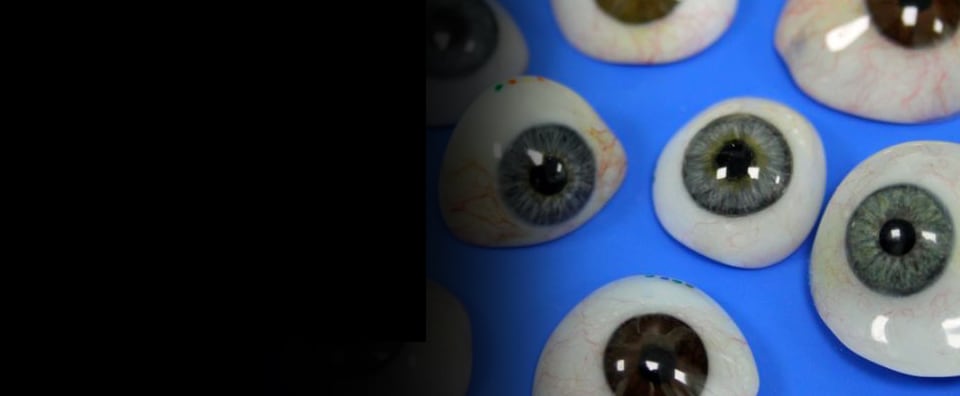
Moorfields Eye Hospital manufactures 1,400 ocular prosthetics each year.
The eyeball is individually fitted to the patient, with the iris carefully painted to match the patient's existing eye colour.
Don't blink
Moorfields Eye Hospital manufactures 1,400 ocular prosthetics each year. The eyeball is individually fitted to the patient, with the iris carefully painted to match the patient's existing eye colour.
Moorfields"One of the biggest issues we face is providing temporary eyes for people if they have just had surgery to remove their real eye or lost their artificial eye."
DAVID CARPENTERCHIEF OCULARIST, MOORFIELDS EYE HOSPITAL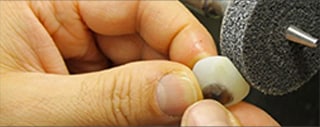
Eye on the grind
The first step in manufacturing a synthetic eye is to take an impression of the eye socket in wax, and position the iris for a steady gaze.
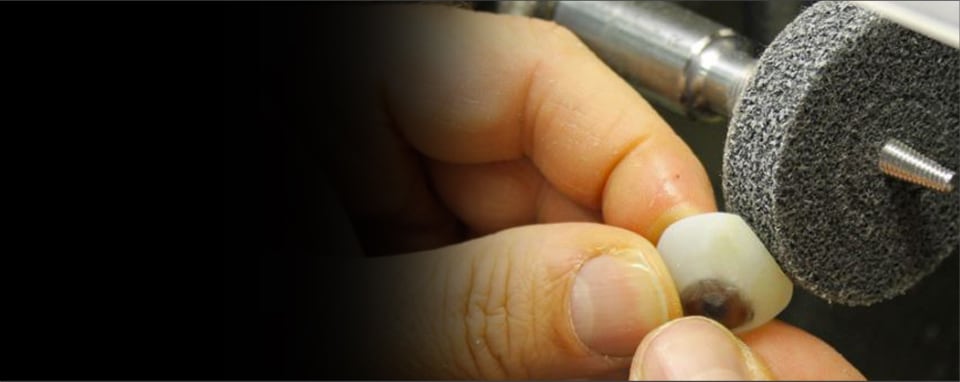
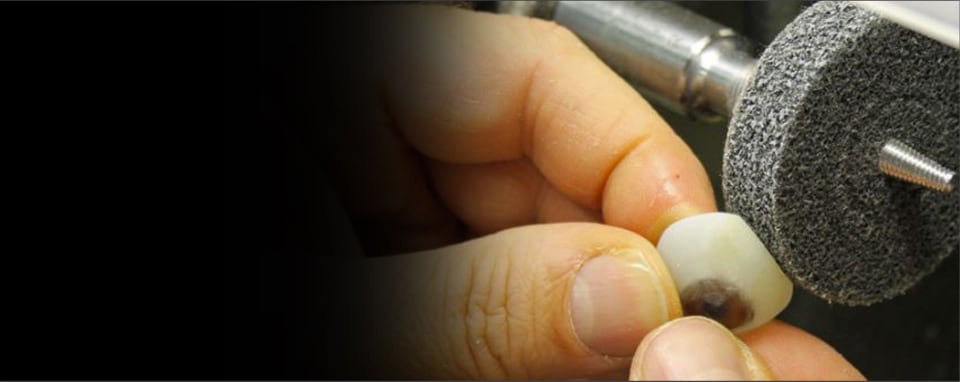
The artificial eye is formed from acrylic plastic. The mould naturally leaves some excess, but it can be hard to grind off without leaving unsightly scuffs.
Moorfields' solution was the Scotch-Brite EXL Unitized Wheel, which is more typically used to deburr metal parts. The wheel's non-woven fibre has a uniform grain distribution for consistent results.
Eye on the grind
The first step in manufacturing a synthetic eye is to take an impression of the eye socket in wax, and position the iris for a steady gaze. The artificial eye is formed from acrylic plastic. The mold naturally leaves some excess, but it can be hard to grind off without leaving unsightly scuffs. Moorfields' solution was the Scotch-Brite EXL Unitized Wheel, which is more typically used to deburr metal parts. The wheel's non-woven fibre has a uniform grain distribution for consistent results.
Check out the 3M Manufacturing page for more information on similar products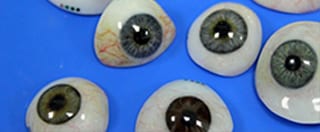

Watching the clock
Each artificial eye takes about seven hours to complete. The prosthetic can last several years and should be regularly polished.
"We use the wheels to grind stock shapes down to fit as temporary eyes for patients," Carpenter says. "3M's wheels are quick and precise."
Watching the clock
Each artificial eye takes about seven hours to complete. The prosthetic can last several years and should be regularly polished. "We use the wheels to grind stock shapes down to fit as temporary eyes for patients," Carpenter says. "3M's wheels are quick and precise."
