-
Recycling to clean spills
March 01, 2016By Sue Casement/3M Storyteller
Recycling
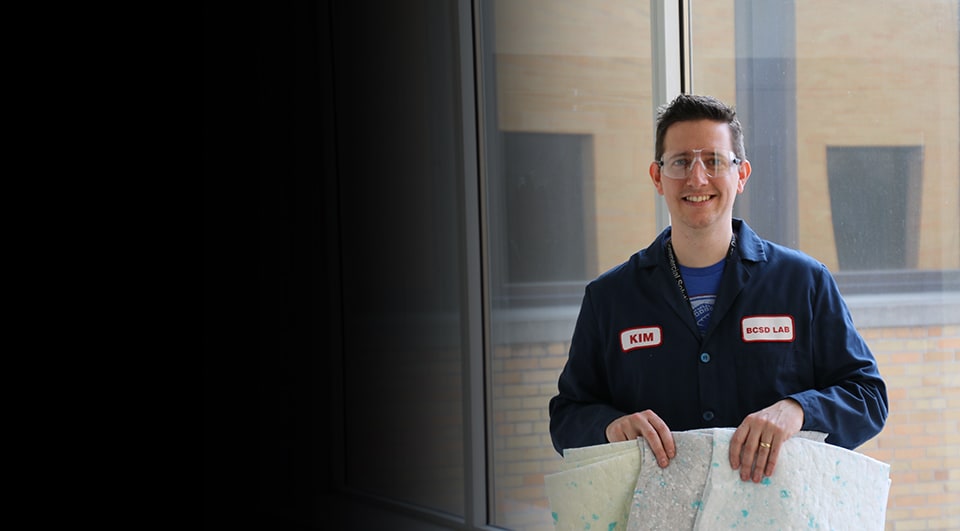
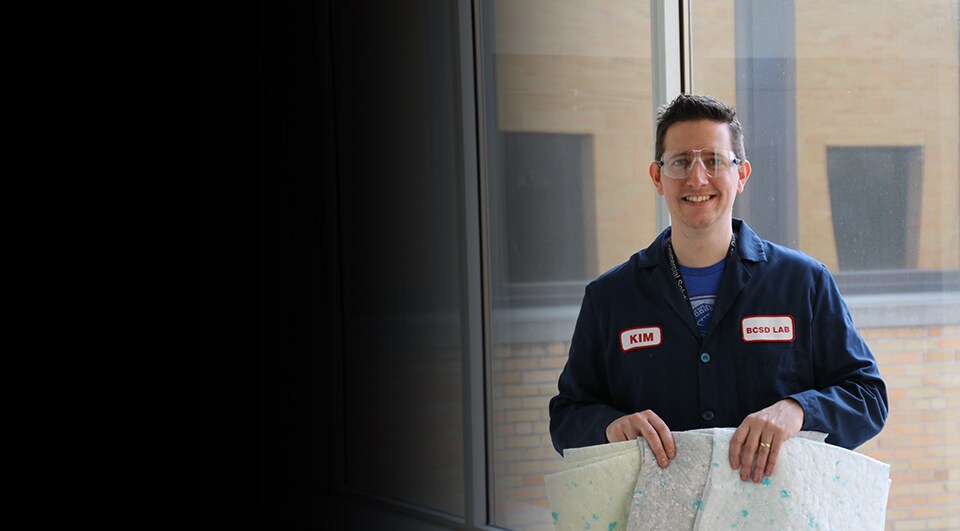
to clean spillsA glance at the refuse led to an idea that saves money and prevents waste from going into landfills. Kim Sachs says that idea, and some research, led to the launch of a new product line.
Recycling to clean spills
A glance at the refuse led to an idea that saves money and prevents waste from going into landfills. Kim Sachs says that idea, and some research, led to the launch of a new product line.
Not absorb, adsorb
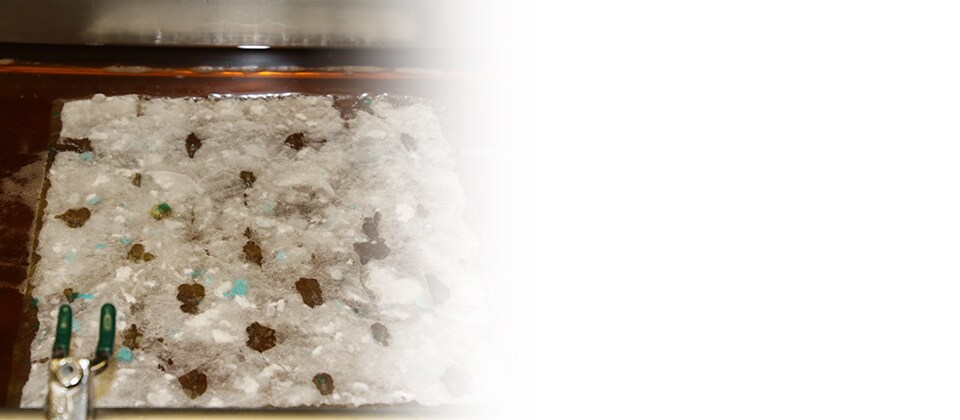
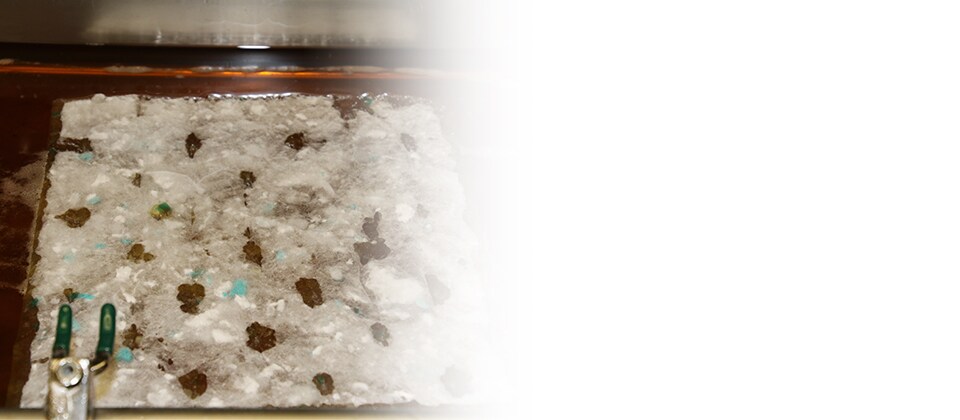
Kim, a 3M product development manager, was visiting a factory when he saw operators putting waste material into a refuse bin. He immediately realised that they could probably use the leftover non-woven materials in sorbents, a product using similar technology. Sorbents are used to adsorb oil and other spills in industrial settings.
Not absorb, adsorb
Kim, a 3M product development manager, was visiting a factory when he saw operators putting waste material into a refuse bin. He immediately realised that they could probably use the leftover non-woven materials in sorbents, a product using similar technology. Sorbents are used to adsorb oil and other spills in industrial settings.
How it works
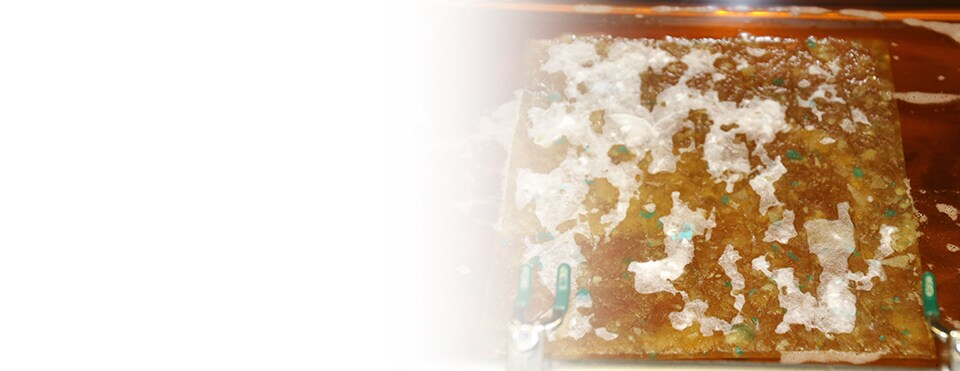
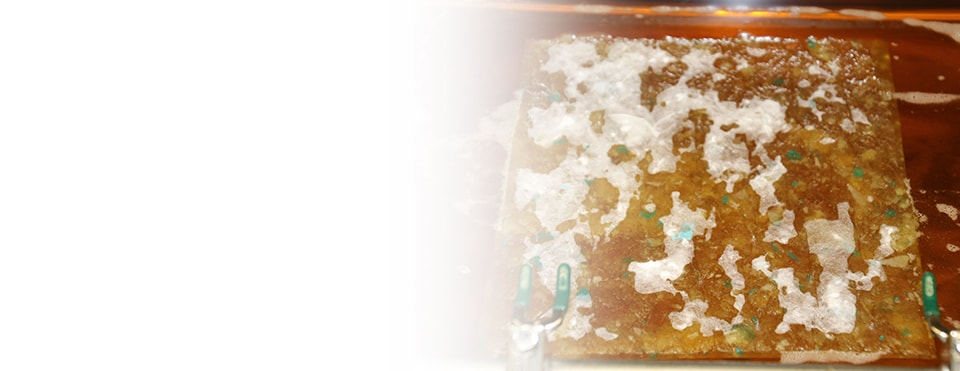
When you see the word 'adsorb,' you might think it's a typo. But it's a real thing. 3M sorbents use adsorption rather than absorption. Adsorption is a surface phenomenon that draws fluids into voids. This means the pads soak up the spills, but don't swell up as they would with absorption.
How it works
When you see the word 'adsorb,' you might think it's a typo. But it's a real thing. 3M sorbents use adsorption rather than absorption. Adsorption is a surface phenomenon that draws fluids into voids. This means the pads soak up the spills, but don't swell up as they would with absorption.
Sorbents and Cleaners
