-
Fresh water that floats
March 01, 2016By Kevin Hoffman/3M Storyteller
Fresh Water
that floatsIn ancient times, Cyprus was considered the mythological birthplace of Aphrodite, the Greek goddess of love.
Now the Mediterranean island suffers from water scarcity. The World Resources Institute ranks Cyprus as one of the most water-stressed places on earth. But that may be about to change, thanks to a wonder of modern engineering.Fresh water that floats
In ancient times, Cyprus was considered the mythological birthplace of Aphrodite, the Greek goddess of love.
Now the Mediterranean island suffers from water scarcity. The World Resources Institute ranks Cyprus as one of the most water-stressed places on earth. But that may be about to change, thanks to a wonder of modern engineering.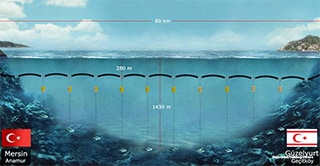
Under pressure
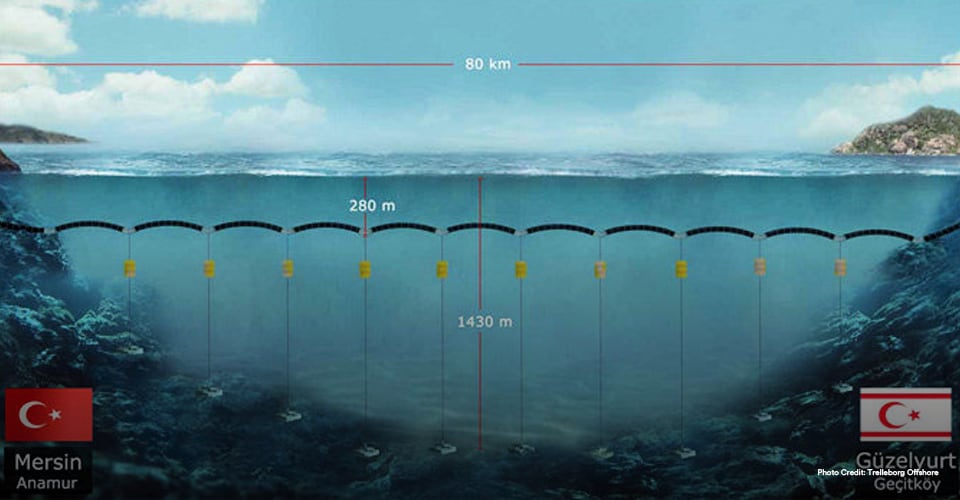
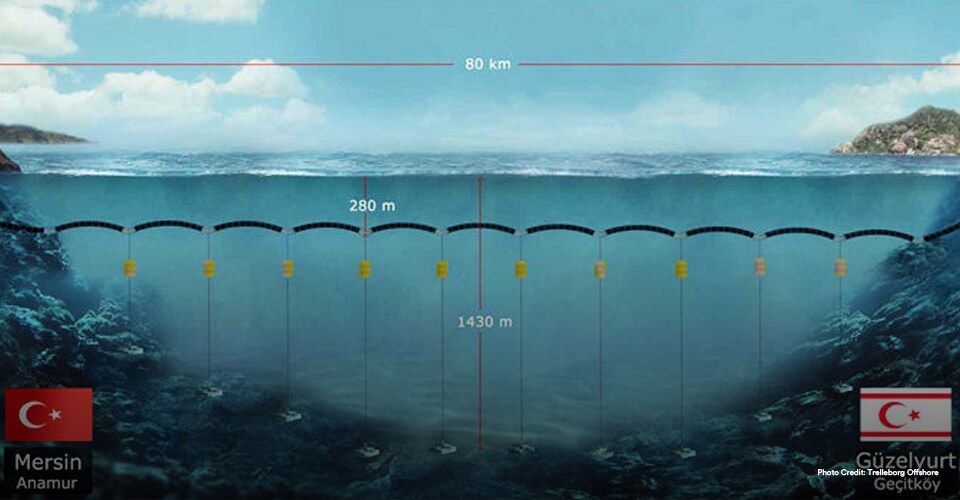
The Northern Cyprus Water Supply Project—nicknamed Baris Su, which translates to "Peace Water"—is a 67-mile long suspended pipeline from Turkey to Northern Cyprus. Once complete, the pipeline will carry 20 billion gallons of fresh water from Turkey's Dragon River to the water-starved region each year.
The pipeline posed an engineering challenge: It couldn't run on the seabed, some 4,600 feet beneath the surface, because the water pressure is too great. It also had to be far enough under water that it didn't interfere with ships and submarines.Under pressure
The Northern Cyprus Water Supply Project - nicknamed Baris Su, which translates to 'Peace Water' - is a 67-mile long suspended pipeline from Turkey to Northern Cyprus This will carry 20 billion gallons of fresh water from Turkey's Dragon River to the water-starved region each year.
The pipeline posed an engineering challenge: It couldn't run on the seabed, some 4,600 feet beneath the surface, because the water pressure is too great. It also had to be far enough under water that it didn't interfere with ships and submarines.
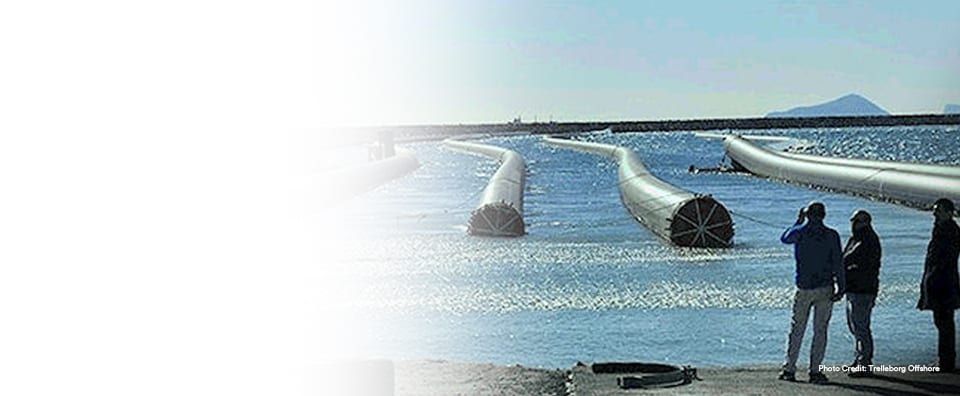
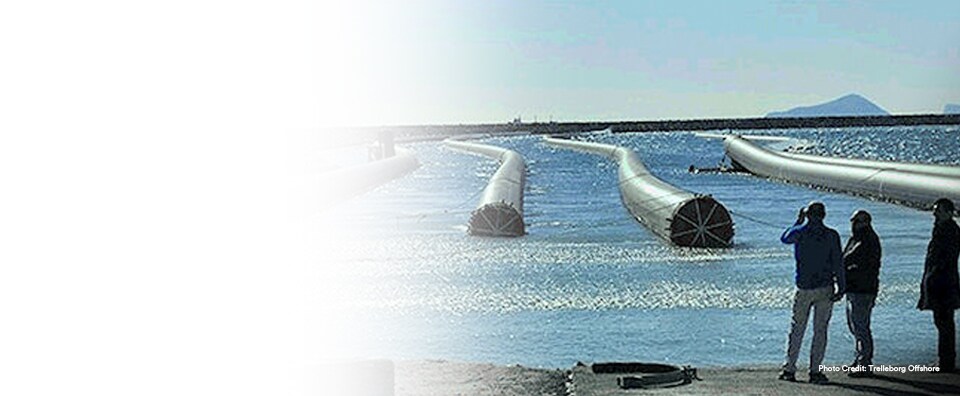
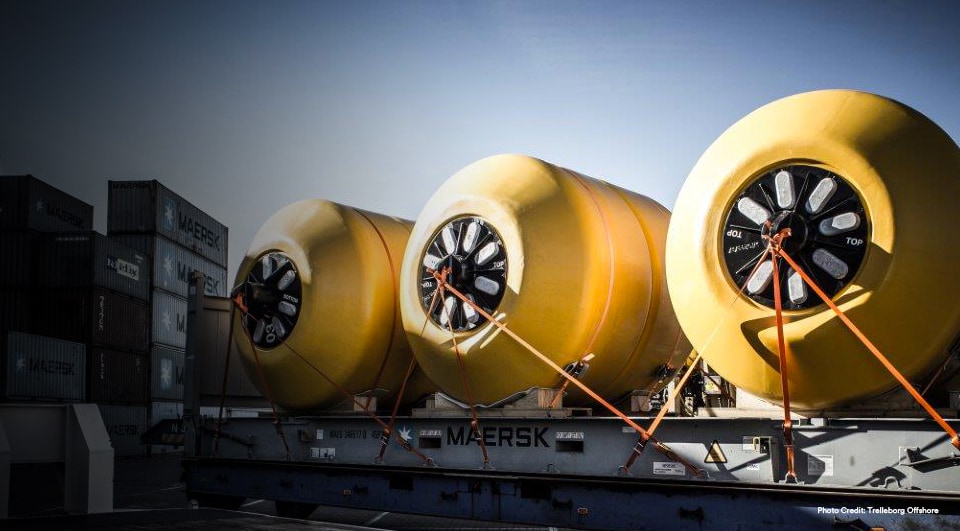
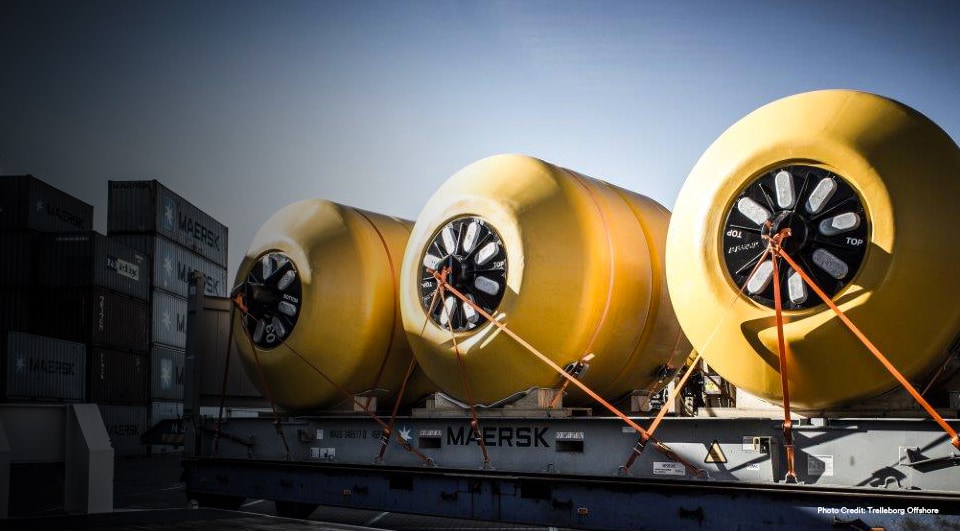
The problem was solved by Trelleborg Offshore, an engineered polymer solutions company, which devised a way to keep the pipeline suspended at a depth of 820 feet. They used Distributed Buoyancy Modules, powered by 3M's Glass Bubbles.
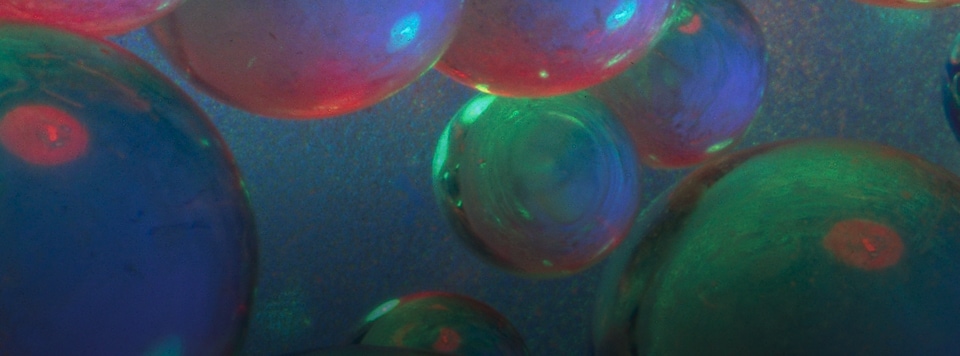
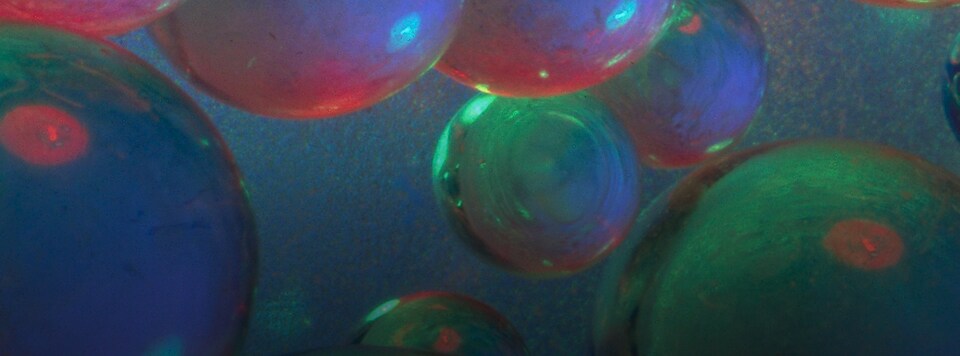
"The low density of the 3M Glass Bubbles used to manufacture the modules helps ensure that the pipeline achieves neutral buoyancy and retains its subsea position," explains Darren Hall, a technical sales manager in 3M's Advanced Materials Division.The problem was solved by Trelleborg Offshore, an engineered polymer solutions company, which devised a way to keep the pipeline suspended at a depth of 820 feet. They used Distributed Buoyancy Modules, powered by 3M's Glass Bubbles.
Trelleborg Offshore Other manufacturing solutions from 3M
"The low density of the 3M Glass Bubbles used to manufacture the modules helps ensure that the pipeline achieves neutral buoyancy and retains its subsea position," explains Darren Hall, a technical sales manager in 3M's Advanced Materials Division.
"This is the first project of its kind but, given the increasing shortage of fresh water in many parts of the world, it could be replicated in other regions."DARREN HALLTECHNICAL SALES MANAGER, 3M ADVANCED MATERIALS DIVISION
